
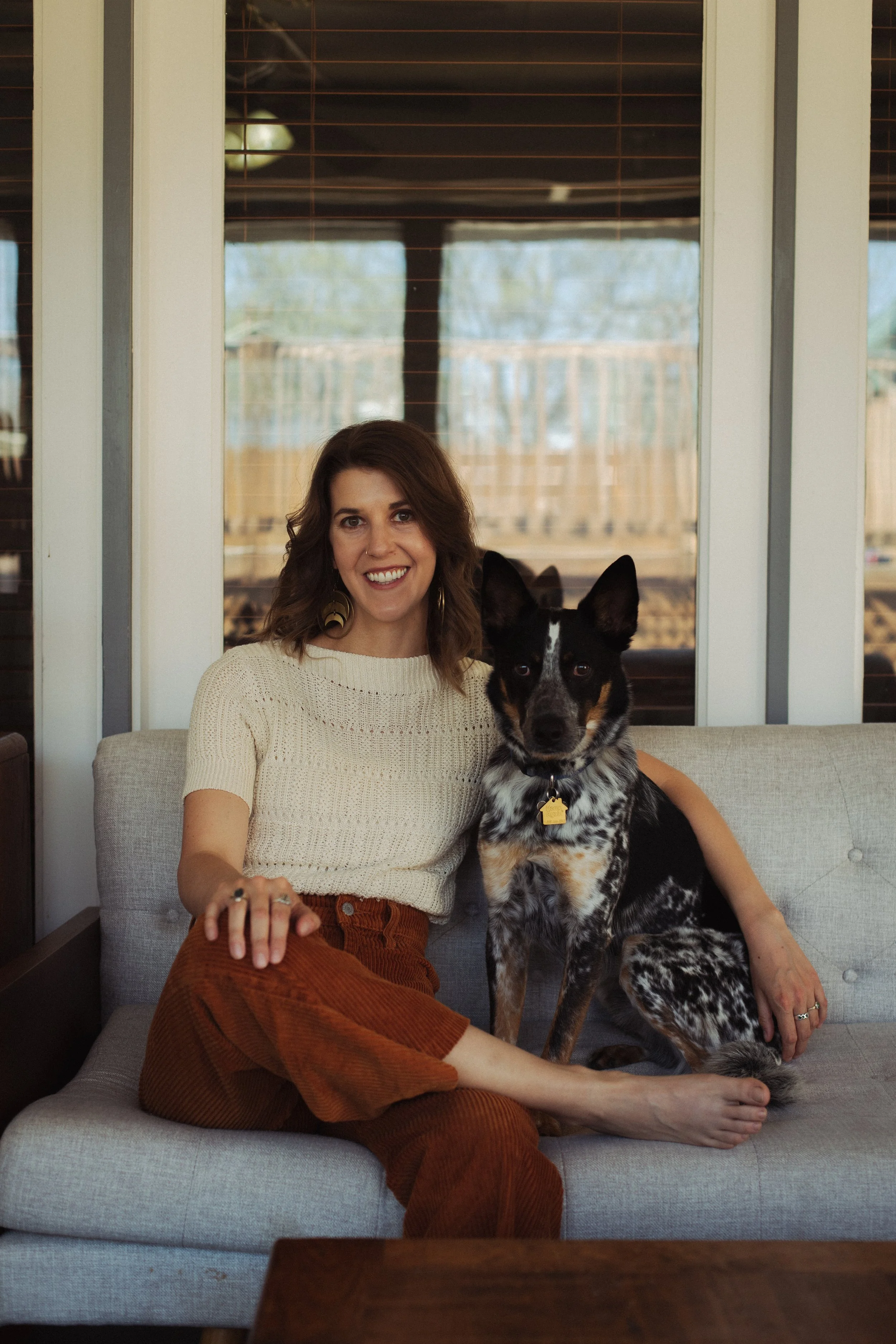
Life outside the therapy room
Outside of the therapy room, you can usually find me with a book in hand, out on a run, trying a new recipe, planning my next trip, or hunting for vintage treasures and thoughtfully made, more sustainable pieces. I’ve always been drawn to music and film as well, and they often show up in how I think about people, memory, and meaning.
I believe the small, ordinary rituals of life matter, and I do my best to practice the same balance, curiosity, and self-compassion that I encourage in my clients.
I also write occasionally on Substack about mental health, culture, music, film, and the details of everyday life—a space for thinking through many of the same themes that show up in the therapy room.
How I think about this work
Whether through therapy, teaching, research, or writing, I’ve always been drawn to questions about how people make meaning of their lives, relationships, and experiences.
Where I practice & what home means to me
I’m licensed in both Illinois and Texas and work with clients in both states, which keeps me connected to two places that are very meaningful to me.
Chicago will always feel like a second home—it’s where I completed my social work education and where so much of my growth as both a person and therapist took place. I continue to return regularly, and I still feel rooted in the community there, even while living and working in Texas.
My path to Texas also feels personal in a different way. I grew up in California, but my dad’s family is from the Texas Panhandle, which eventually led me here after high school—and it’s also where I met my husband, Lance.
Amarillo is now home, where I’ve built a life and community I deeply love. Part of what drew me here was the opportunity to contribute to a place where access to mental health support continues to grow and evolve.
I spend time supporting local businesses, spending time at Caliche—my husband Lance’s record, book, and vintage shop—and investing in the people and places that make this city feel like home.
And then there’s Bones, my blue heeler and constant companion. He’s equal parts running partner, office assistant, and reminder to slow down, pay attention, and appreciate the present moment.
How I came to this work
My work in mental health grew out of an interest in how people make meaning, build relationships, and navigate the conditions they’re living in.
I began by mentoring youth and facilitating empowerment and life skills groups, and later led workshops in schools on music therapy, media literacy, consent, sexuality, and relationships.
Before becoming a therapist, I taught philosophy and ethics at Texas State University, with a focus on feminist theory, sexual ethics, animal ethics, moral psychology, and food ethics.
My academic background includes a B.A. in Social Work and an M.A. in Philosophy and Applied Ethics from Texas State University, followed by an A.M. in Clinical Social Work from the University of Chicago’s School of Social Service Administration.
My background in philosophy continues to shape how I approach therapy. I’m interested not only in what has happened to us, but also in the stories, values, relationships, and cultural narratives that shape how we understand ourselves.
Clinical training & early practice
My time in Chicago was deeply formative.
Before starting my private practice, I trained at Chicago Counseling Associates, where I completed a psychotherapy internship, postgraduate fellowship, and supervisory fellowship while also serving as intake coordinator.
Those years shaped my approach to client-centered therapy and my commitment to creating inclusive, affirming spaces.
Working with queer, trans, and gender nonconforming clients, as well as people navigating trauma and religious harm, has profoundly shaped my clinical perspective. This is part of why I’ve chosen to keep my Illinois license active so I can continue working with clients there through virtual therapy, even while Amarillo remains home.
My clinical approach
In my clinical work, I take a client-centered approach informed by postmodern and philosophical perspectives.
I work with individuals and couples exploring identity, relationships, trauma recovery, existential questions, mindfulness and body awareness, sexual and gender identity, religious trauma, and body image.
I also work with clients practicing ENM and polyamory, neurodivergent clients, and those living with OCD.
At the center of my work is a trauma-informed, collaborative approach focused on creating a space where people feel seen, respected, and able to show up as they are.
Work beyond the therapy room
Beyond individual therapy, I provide consultation and support to community groups, schools, and nonprofits focused on building more inclusive and trauma-informed environments for individuals, families, and communities.
I’m also passionate about supporting people doing care work in their communities and regularly consult with grassroots organizations seeking more sustainable, trauma-informed ways of working together.
Research & writing
Alongside my clinical work, I’ve spent nearly a decade engaging in community-based research focused on mental health, community wellbeing, higher education access, and social change. This work continues to shape how I think about both individual healing and the broader systems that influence our lives.
My academic writing includes two publications:
Hip Hop, Empowerment, and Clinical Practice for Homeless Adults with Severe Mental Illness
Linked Oppression: Connecting Animal and Gender Attitudes